Arlo Secure: Home Security
- 4.4
- Rating
- 5.00M
- Installs
- Free
- Price

 Analysis by App-foxy
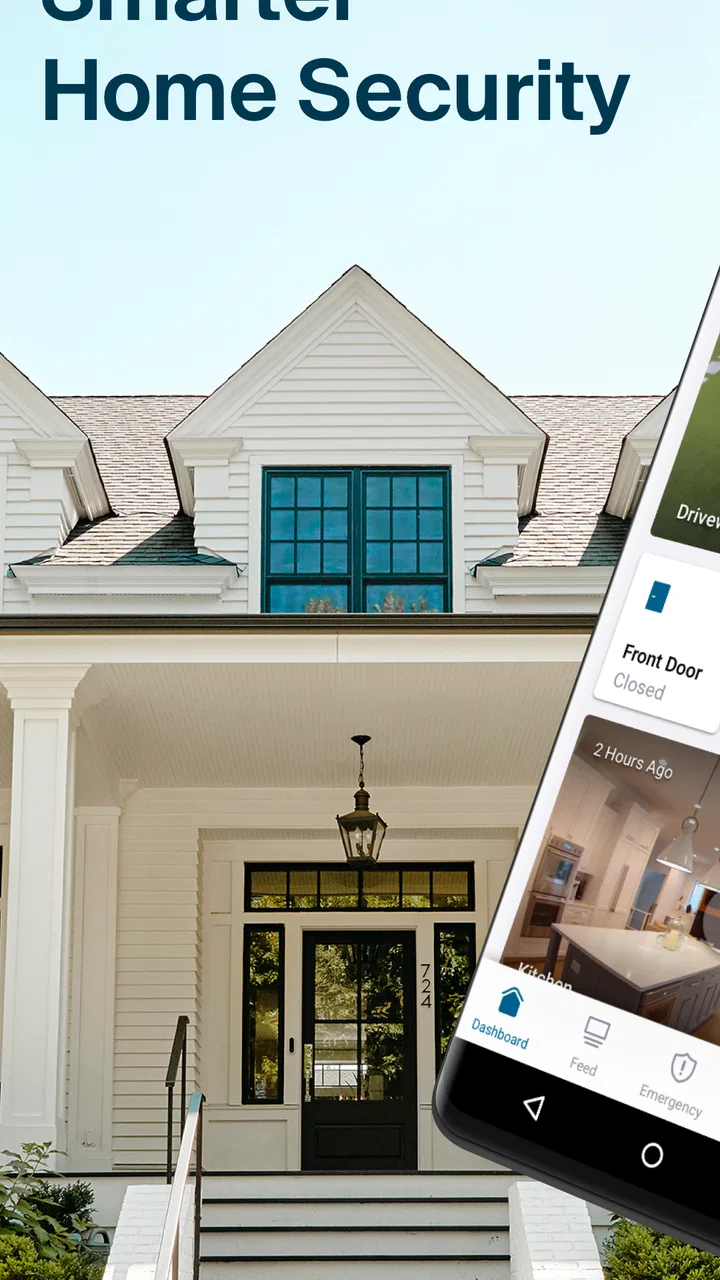
I approached Arlo Secure: Home Security as someone trying to make a connected home easier to check, not as a gadget enthusiast looking for another dashboard. Developed by Arlo Technologies, Inc., this free Lifestyle app is built around smart home security protection, and its real value depends on how comfortably you can move through alerts, camera views, and account settings when you are busy, tired, or dealing with a noisy environment.
My overall impression is mixed but useful. The app gives Arlo equipment a central place for everyday monitoring, and it can be reassuring when you want to check what is happening at home without opening several unrelated tools. At the same time, a security app has a higher usability standard than an ordinary lifestyle download. If a notification is confusing, a control is hard to reach, or an important event is buried among routine updates, the inconvenience matters more.
It is available at no upfront cost, is rated for Everyone, and supports Android 9 or later. The current Android release is 6.14.0_6140002. Its store presence is substantial, with more than five million installs, although the average rating sits at 3.2 from roughly 180,000 ratings. That combination tells me the app is widely used but not universally smooth. I would treat it as a practical companion for Arlo owners rather than an automatic recommendation for every household.
You May Also Like

 Blood Strike: 2.5 Anniversary
Blood Strike’s Loadouts Turn Every Drop Into a Tactical Gamble
A close look at Blood Strike’s custom loadouts: how fast access to signature weapons reshapes its battle royale rhythm, rewards preparation, and narrows the gap between fights.

 Pandora - Music & Podcasts
Pandora’s Music Is Easy to Start, but Harder to Recover
Pandora’s strength is its low-effort path from a seed to a station. Its weak spot is how much confidence it asks you to place in connection, setup, and quiet recovery.

 8 Ball Pool
 Is Built on Rivalries, Rematches, and Routine
A close look at the rivalries, rematches, shared routines, and unanswered safety questions that turn a quick pool match into a persistent mobile community.

 Samsung Music
’s Quiet Strength Is Playing What You Already Own
Its reach comes less from spectacle than from dependable access to a personal library. That simplicity is both the app’s strongest retention engine and its ceiling.

 AccuWeather: Weather Radar
AccuWeather Review: A Quick, Clear Forecast for Everyday Decisions
For everyday plans, the best forecast is the one you can understand quickly. AccuWeather makes rain timing, radar, and local conditions easy to act on, with a few trade-offs.

 Hill Climb Racing
Why Hill Climb Racing Still Turns Crashes Into One More Run
A tiny car, a bumpy hill and one more upgrade: Hill Climb Racing keeps resurfacing because its simple chaos makes every near-miss feel personal.
More From Our News Desk



How clearly the app presents information
I look at information design as more than a matter of tidy screens: in a security app, it affects how quickly I can tell what deserves attention and what can wait. In this section, I focus on how a user can build a dependable way to read activity without rushing or guessing. That naturally leads to the practical question of whether the same workflow remains comfortable for people with different abilities and in changing circumstances.
Readable screens are especially important in a security tool
When I open a home-security app, I want the most important information to stand out immediately: whether something needs attention, which device produced it, and what I can do next. Arlo Secure generally makes sense when I approach it with that mindset. The app is not trying to be a social feed or a general-purpose smart-home marketplace; its purpose is to bring security-related activity into one place.
That focused purpose helps people who prefer a limited number of choices. A family member who only needs to check a camera or review an alert is less likely to feel lost than in a broad automation app filled with lighting, climate, entertainment, and appliance controls. I also find the security context easier to understand when the app is used routinely. After a few repeated checks, the main flow becomes more familiar, which reduces the mental effort of remembering where to look.
However, familiarity should not be confused with perfect clarity. Security information can be difficult to interpret when several events arrive close together. A user may need to decide whether an alert is urgent, whether it relates to a particular device, and whether the correct response is simply to dismiss it or investigate further. That is a lot to process if someone has limited attention, is under stress, or is reading on a small phone.
My practical advice is to establish a simple checking habit before relying on the app during an actual concern. Open the relevant device view, identify where event information appears, and decide which notifications deserve immediate attention. This is not exciting setup work, but it makes the interface much more manageable later. It also exposes whether the text, labels, and navigation suit the person who will really use the system, rather than just the person who installs it.
Navigation favors a familiar routine
I think Arlo Secure works best when each household member has a clearly defined purpose. One person may mainly review activity, another may check a live view, and someone else may manage the account. Giving every user every responsibility can create confusion, especially if several people are learning the app at the same time.
For readers who are not confident with smartphones, a short written routine can help: open the app, check the main status, select the relevant device, review the latest event, and return to the starting screen. That kind of guide is more useful than simply saying “the app is easy.” It turns a flexible tool into a predictable sequence.
The app’s free download is also helpful for testing this routine before committing financially. In-app purchases range from $9.99 to $299.99 per item, so I would not treat the initial download as the entire cost decision. A household should first confirm that the interface is understandable and that the intended user can operate it comfortably. Only then does it make sense to evaluate any paid protection or service option connected with the setup.
One subtle trade-off is that a centralized app can reduce the number of places someone has to look, while also making a single confusing screen more consequential. With separate device apps, a person may have fewer features in each location but a narrower task. With Arlo Secure, the benefit is consolidation; the risk is that a user who struggles with the app may struggle with the whole security workflow at once.
Text, contrast, and personal comfort
I would not assume that every person will experience the screen in the same way. Someone with reduced vision may be comfortable if the phone’s own text enlargement and display settings make the interface readable, while another person may still find small labels or dense event information tiring. Because security checking can happen quickly, readability is not merely a cosmetic concern.
I recommend testing the app in the conditions where it will actually be used: in a dim hallway, outdoors in bright light, while wearing glasses, or after a long day when concentration is lower. A screen that looks fine at a desk may be less comfortable during a late-night alert. If a user relies on enlarged text, display magnification, or a screen reader, the best test is hands-on navigation through the complete path rather than a quick launch-and-exit check.
I also prefer not to rely on color alone when interpreting a security state. If an alert or status is visually subtle, users with color-vision differences may need accompanying words or familiar symbols to understand it. The responsible approach is to verify the actual experience on the person’s phone and avoid assuming that a color-coded state will be self-explanatory.
Using Arlo Secure across different abilities and situations
People use a security app while tired, distracted, or handling other tasks, so I think it is worth judging the experience beyond a calm first run. Here, I consider how device settings, physical habits, and household roles can make routine checks easier or harder, and where a little preparation can reduce avoidable friction. Those everyday conditions also help clarify which trade-offs matter most when choosing a security setup.
Motor access: fewer rushed actions are better
For users with limited dexterity, tremors, joint pain, or one-handed phone use, the main question is not simply whether a button exists. It is whether the complete action can be performed without precise taps, repeated corrections, or hurried movement. Security tasks are often performed when a person is carrying something, moving through the home, or reacting to an unexpected notification, so small interaction difficulties become more noticeable.
I would test the app with the phone held in the hand the user normally favors. Try opening an alert, selecting the correct device, returning to the previous screen, and changing any routine setting that the household expects to use. If those steps require too much accuracy, the user may need a larger device, a stable surface, or help from another household member.
A useful workflow is to prepare the app before an emergency rather than exploring controls under pressure. Keep the phone’s operating system and the app current, then practice the basic path at a calm time. This does not remove every motor barrier, but it reduces the number of unfamiliar actions required when attention is already divided.
People who have difficulty with touch gestures may also prefer a phone stand or a consistent place to use the app. That sounds simple, but physical context can make a major difference. A stable surface allows slower, more deliberate interaction, while a phone held in midair encourages rushed taps. I see this as one of the most realistic ways to make the experience more inclusive without pretending the software alone solves every access problem.
Sensory access: alerts should not depend on one channel
Not every user hears notifications reliably, and not every user can comfortably interpret visual changes. Someone may have hearing loss, be in a noisy room, be asleep, or keep the phone muted. Another person may have low vision or find animated visual information difficult to process. For that reason, I would avoid designing a household’s whole response plan around a single notification method.
Before relying on Arlo Secure, I would ask the actual user to demonstrate how they notice an event. Do they see the notification quickly? Can they understand what it means without opening several screens? If they use sound, is the alert distinguishable from ordinary phone activity? If they use vibration or visual cues, do those cues work in their normal environment? These questions reveal more than a general claim that an app is accessible.
It is also worth separating routine events from genuinely important ones. If every minor update receives the same attention, a person with sensory overload may start ignoring notifications entirely. A calmer setup, with a clear personal routine for reviewing activity, can make the security information less exhausting. The exact options available will depend on the connected Arlo setup and phone, so I would verify each behavior directly rather than assuming that every device and account behaves identically.
For a household member with cognitive fatigue, memory difficulties, or anxiety, plain household rules can help: which alert types require a call, which ones can wait, and who is responsible for checking them. The app can provide information, but the family still needs a shared interpretation of that information. Without that agreement, even a well-organized screen can lead to hesitation.
Situational access matters as much as permanent disability
Accessibility is not limited to people who identify as disabled. I think about the parent holding a child, the older adult reading without ideal lighting, the person using a temporary wrist brace, or anyone trying to check a notification while walking between rooms. These situations change how much precision, time, and concentration a user has available.
Arlo Secure is most useful in those moments when it lets me perform a focused check instead of reconstructing events from several unrelated sources. The app’s single-home-security purpose can reduce context switching. That is a genuine strength for people who are easily distracted or who find complex smart-home systems overwhelming.
There is a trade-off, though. A phone is not always the most accessible device for urgent information. A small screen, a locked device, weak connectivity, or a phone left in another room can interrupt the workflow. I would therefore treat the app as one part of a household plan, not as the only way a person can know what is happening.
A realistic example is a user who is preparing dinner and receives an event notification while their hands are wet. The best experience is not one that demands immediate, precise interaction. It is one where the person can safely finish the task, return to the phone, and quickly understand the event afterward. If the household expects instant responses, it should make sure the designated user can actually reach and operate the phone in those conditions.
Where the app may create friction
The biggest barrier is the gap between installing the app and confidently using it as part of a real security routine. A person may understand the basic screen but still be unsure how to interpret repeated events, what a particular device status means, or which account action affects other household members. That uncertainty is especially difficult for users who depend on predictable procedures.
Another barrier is cost planning. The app itself is free, but optional purchases can reach $299.99 per item. I would be careful when explaining the service to an older relative or anyone who is uncomfortable with digital subscriptions and account decisions. Before enabling anything paid, write down what the purchase is intended to provide, who controls the account, and how the household will review the expense. Clear ownership prevents a user from being pressured to make a decision they do not understand.
There is also the issue of shared responsibility. A person with limited mobility may be perfectly capable of reviewing an alert but unable to physically investigate the home. Conversely, someone who can move around easily may not be the best person to interpret the app’s information. The strongest arrangement separates digital checking from physical response and assigns each role to the person best suited to it.
I would skip this app as the main choice if a household needs a very simple, single-purpose interface and does not already plan to use Arlo equipment. In that situation, a basic device-specific control app may feel less demanding. I would also look elsewhere if the intended user cannot comfortably read the phone, manage notifications, or remember the account routine even after practice. A security product should not become another source of dependence unless the support arrangement is clear.
How it compares with familiar alternatives
Compared with a general smart-home platform, Arlo Secure feels more focused on security rather than trying to coordinate every connected appliance. That focus can help users who want fewer categories and less visual clutter. A general platform may be better for someone who wants one place for cameras, lights, locks, thermostats, and household automations, but its broader scope can also add steps and unfamiliar terms.
Compared with checking each Arlo device through separate controls, a central security app is more convenient for a home with several related devices. The advantage is a shared context: the user can think in terms of home activity rather than isolated hardware. The disadvantage is that a problem in the central workflow affects more than one task. People who prefer narrow, repeatable tools may find a single-device approach easier to learn.
Compared with relying on phone notifications alone, the app offers a place to investigate rather than merely react. That distinction matters for users who need to enlarge information, review an event at their own pace, or ask another person to help interpret what happened. Still, the phone’s own notification and accessibility settings remain important, because the app cannot be useful if the user does not notice or understand its entry point.
Who should use it and how to test it fairly
I would recommend trying Arlo Secure for an Arlo-based home where several people need a shared way to review security activity. It is also worth considering for users who appreciate a dedicated security environment instead of a sprawling smart-home control center. The free starting point makes a practical trial possible, provided the household evaluates paid options separately and deliberately.
I would be more cautious for someone who has never managed a connected security account, has difficulty with small touch targets, or needs immediate information through a specialized accessibility method. That does not automatically make the app unsuitable, but it means the decision should include the person who will use it every day, not just the person who purchases or installs it.
My suggested test takes about one ordinary day rather than one quick glance. Check the app in bright and dim light, with the phone in its usual position, and while the user is performing a normal household task. Have them explain an alert in their own words, return to the main screen, and repeat the process later. If they can do that without coaching, the app is probably fitting their routine. If they need repeated reminders, the household should simplify the workflow or choose a different arrangement.
It is also sensible to involve a second person in the test. Ask them to follow the same routine without being told where each control is. This reveals whether the navigation is genuinely understandable or whether the first user has simply memorized a sequence. For households supporting someone with cognitive or sensory differences, that distinction is important: a memorized path may fail as soon as the screen, alert pattern, or situation changes.
My inclusive verdict
After looking at Arlo Secure through the lens of different abilities and real household situations, I see a capable but not universally effortless companion for Arlo security equipment. Its focused purpose and centralized approach can reduce the burden of switching between tools, and the free app gives households room to test whether the workflow fits before considering in-app purchases.
My recommendation is conditional: use it when the intended user can read the interface, recognize the meaning of an event, and complete the basic actions with the phone settings and physical setup they already rely on. Practice the routine, define who responds to what, and test it in the lighting, noise, and multitasking conditions of everyday life. Those steps matter more than a quick first impression.
For me, the strongest reason to choose it is organization. The strongest reason to hesitate is that a security dashboard can still feel demanding when someone is stressed, distracted, or using a phone in an awkward situation. If your household values a focused Arlo-centered workflow and is willing to build a clear support routine around it, this Lifestyle app is worth trying. If the user needs an exceptionally simple interface or a different accessibility approach, compare alternatives before paying for additional services. The right choice is the one the actual user can operate confidently when it matters.
FAQs for Arlo Secure: Home Security
01What features does Arlo Secure offer for home security?
Arlo Secure provides a comprehensive suite of features designed to enhance home security. These include high-definition video recording, real-time alerts, two-way audio, and advanced motion detection. Additionally, users benefit from cloud storage options and customizable activity zones to ensure only relevant notifications are sent. The app also integrates with smart home systems for seamless functionality.
02Is a subscription required to use Arlo Secure?
While Arlo Secure offers basic functionality without a subscription, a premium plan is necessary to unlock advanced features such as cloud storage, enhanced video history, and priority support. Subscriptions also provide access to features like e911 emergency call service and more comprehensive detection options, making it worthwhile for those seeking enhanced security capabilities.
03How user-friendly is the Arlo Secure app for beginners?
The Arlo Secure app is designed with user-friendliness in mind, offering an intuitive interface that simplifies navigation. First-time users can easily set up devices with step-by-step guides and benefit from straightforward access to features. The app includes helpful tips and FAQs to assist beginners in maximizing their home security setup without needing extensive technical knowledge.
04Can Arlo Secure integrate with other smart home devices?
Yes, Arlo Secure is compatible with a range of smart home ecosystems, including Amazon Alexa, Google Assistant, and Apple HomeKit. This integration allows users to control Arlo devices using voice commands and combine them with other smart home products for a cohesive security system. Such compatibility enhances convenience and expands the functionality of your smart home setup.
05What are the common issues users experience with Arlo Secure?
Some users report occasional connectivity issues, particularly in areas with weak Wi-Fi signals, which can affect video streaming and alerts. Another common concern is the battery life of wireless cameras, requiring regular monitoring and charging. However, the app’s support and troubleshooting guides are comprehensive, helping users quickly resolve these issues.
Pros
- User-friendly interface for easy navigation.
- High-quality video streaming and recording.
- Customizable alert settings for peace of mind.
- Integrates well with smart home devices.
- Reliable cloud storage options available.
Cons
- Subscription required for advanced features.
- Occasional delays in alert notifications.
- Initial setup can be time-consuming.
- Limited free storage without subscription.
- Requires strong internet connection for best performance.

Arlo Secure: Home Security
Gallery